 |
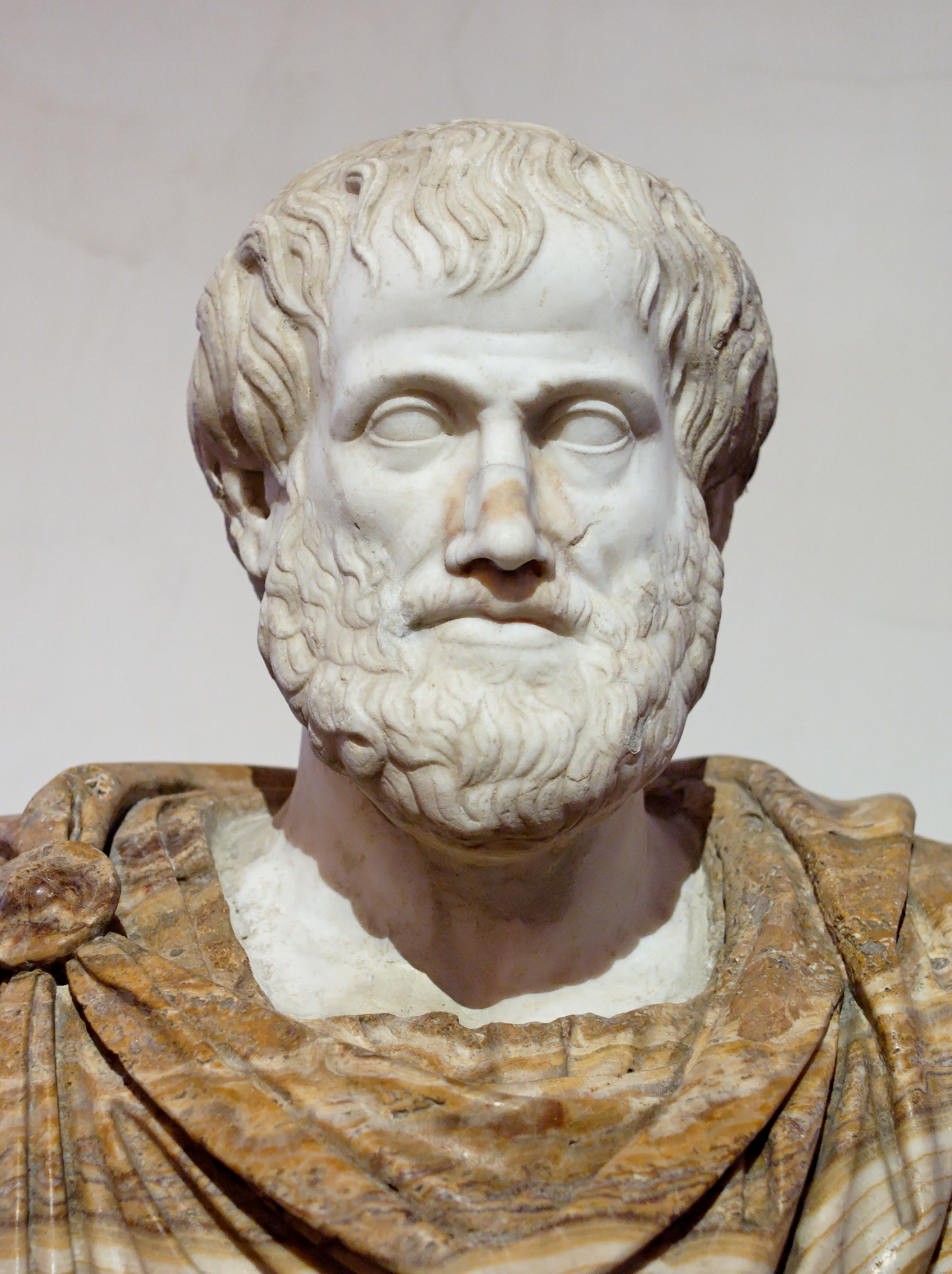
| http://upload.wikimedia.org/wikipedia/commons/a/ae/Aristotle_Altemps_Inv8575.jpg |
I was first
introduced to “pathos,” “ethos,” and “logos” my junior year of high school.
Before that I had no idea that they even existed or to be more correct that
they had a name for types of argumentative appeals. My English teacher, Ms.
Cunningham was the one to drill what these appeals meant into my brain. I wrote
many papers having to do with one or all of the appeals. We wrote about logos
and watched videos and wrote short missives or long essays dealing with these
types of arguments. I remember one of my assignments in her class was to write
three short essays using one topic and each had to be written with a specific
appeal. For example, I chose to write about the kids in Africa. I had to write
about the children in Africa three times, but one essay had to be nothing but
pathos, the other nothing but ethos and the last nothing but logos. I remember
when I was writing this, I was thinking to myself this is hard. The topic I chose
is a mixture of the three appeals so it took me awhile to get a hang of this
specific prompt. You can show sympathy and
emotion in pathos, show moral and ethics with ethos, and logic with logos. So I
remember that I found this idea of separating the appeals to make a separate
essay about the topic to be difficult. I did it and got a good grade, but I realized
that you can’t truly have one without the others. They all relate in some form
or another and I guess that is how people and the media get you. They make you see
and think in a certain ways so that what you would normally see clearly, you no
longer do. In a sense it clouds your judgment and pulls the emotions out of you
or makes you think a lot more logically than you normally would. So I guess we
can’t live with them and we can’t live without them.

Excellent. The Aristotle photo is a nice touch...
ReplyDelete